
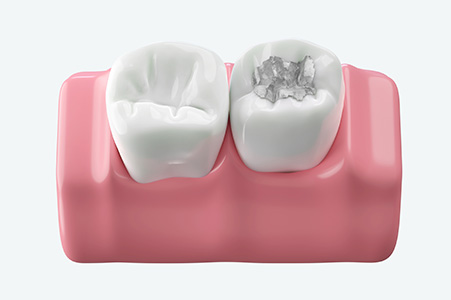
Dental fillings are used to repair teeth that have been damaged by decay while restoring their strength and normal function. During this procedure, a dentist carefully removes the decayed portion of the tooth, thoroughly cleans the affected area, and places a durable filling material. This material seals the space and acts as a protective barrier against bacteria. By preventing further decay, fillings help maintain the natural structure of the tooth and improve comfort during everyday activities such as eating and speaking.
There are several signs that may indicate the need for a dental filling. Common symptoms include persistent tooth pain, increased sensitivity to hot, cold, or sweet foods, and visible changes such as small holes, pits, or dark spots on the tooth surface. Some individuals may notice discomfort when biting down or applying pressure, while others may experience mild but consistent irritation. Recognizing these early warning signs is important because untreated cavities can worsen and lead to more serious dental issues.
Tooth decay develops when bacteria in the mouth break down sugars from food and beverages, producing acids that gradually erode the enamel. As the enamel weakens, cavities begin to form and can progress deeper into the tooth if left untreated. Risk factors for decay include poor oral hygiene habits, frequent consumption of sugary or acidic foods, and limited fluoride exposure. Conditions such as dry mouth can also increase risk, as saliva plays a key role in neutralizing acids and protecting teeth.
Early detection and treatment are essential for maintaining good oral health. Dental fillings provide a reliable and effective way to restore damaged teeth and prevent further complications. Addressing symptoms promptly can reduce discomfort and protect long term dental function. If you have tooth pain or sensitivity, it is suggested that you promptly consult a dentist who can evaluate your condition and provide you with the dental fillings you may need.
For more information about the importance of fillings and cavity repairs, contact . Our offers professional and compassionate care to ensure your dental health is maintained at the highest standard.
When needed, fillings and cavity repair are essential dental procedures aimed at restoring teeth damaged by decay. When bacteria in the mouth produce acids that erode the enamel, cavities form. If left untreated, cavities can progress, causing pain, infection, and even tooth loss. Fillings are a common treatment used to repair cavities and prevent further decay.
During a filling procedure, the dentist first removes the decayed portion of the tooth using specialized tools. The affected area is then thoroughly cleaned to remove any remaining debris and bacteria. Once cleaned, the dentist fills the cavity with a suitable filling material, such as composite resin, amalgam, or porcelain. The filling is shaped and polished to match the natural contours of the tooth, restoring its function and appearance.
How Does One Know They Have a Cavity?
Cavities often present symptoms such as tooth sensitivity to hot, cold, or sweet foods, toothache, visible holes, or pits in the teeth, and staining or discoloration. Additionally, individuals may experience pain when biting down or notice a rough or jagged feeling on the tooth surface. Regular dental check-ups with a dentist can also help detect cavities through visual inspection and X-rays, even in the absence of noticeable symptoms.
How Long Does a Filling Last?
The longevity of a filling depends on various factors, including the type of filling material used, the location and size of the cavity, oral hygiene practices, and individual habits such as teeth grinding. On average, fillings can last anywhere from 5 to 15 years or more with proper care. Regular dental check-ups can help monitor the condition of fillings and address any issues early to prolong their lifespan.
Do fillings affect the appearance of teeth?
Fillings can affect the appearance of teeth, particularly when visible in front teeth. However, modern tooth-colored filling materials such as composite resin can be matched closely to the natural tooth color, resulting in a more aesthetic outcome. Dentists carefully select and shade-match these fillings to blend seamlessly with the surrounding teeth, minimizing any noticeable difference in appearance.
If you have any questions, please feel free to contact our office located in Rancho Santa Margarita, CA .