
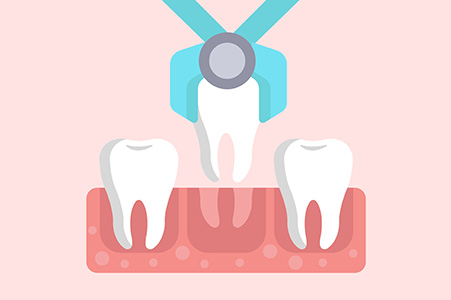
Primary tooth extractions in children are relatively rare but may be necessary for several reasons. These include severe tooth decay, infections, crowding, or trauma to the teeth. Dentists must approach these extractions with particular care, considering the child’s developing oral structures and ensuring minimal discomfort. When a primary tooth is severely decayed or infected, it can affect the surrounding teeth and gums, potentially leading to more significant oral health issues. In cases of crowding, extracting a primary tooth may be needed to make space for permanent teeth to erupt correctly. Trauma, such as a broken or damaged tooth, may also necessitate extraction to prevent further complications. Seeing a dentist regularly is essential for children. Dentists can monitor the development of primary and permanent teeth, address any issues early, and provide guidance on maintaining oral health. It is suggested that you take your child to the dentist for regular check-ups to help ensure that their teeth develop properly, laying the foundation for a healthy smile in adulthood.
For more information about tooth extractions, contact . Our offers expert and gentle care to ensure your comfort and recovery.
Tooth extractions, a common dental procedure, involve the removal of a tooth from its socket in the jawbone. There are various reasons why a tooth extraction might be necessary. One primary reason is severe tooth decay that has damaged the tooth beyond repair. Additionally, impacted wisdom teeth, which can cause pain, infection, or alignment issues, often require extraction. Gum disease, tooth crowding, and trauma are other common reasons for extraction.
The process typically begins with a thorough examination and X-rays to assess the tooth’s condition and the surrounding tissues. Depending on the complexity of the extraction and the patient’s preferences, the dentist may administer local anesthesia, sedation, or general anesthesia to ensure comfort during the procedure. During the extraction, the dentist carefully loosens the tooth from the socket using specialized instruments before gently removing it. In some cases, surgical extraction may be necessary, particularly for impacted teeth or those with complex root structures. After the extraction, the dentist provides post-operative instructions to promote healing and prevent complications such as infection or excessive bleeding. Patients are typically advised to avoid certain foods and activities for a few days and to follow a gentle oral hygiene routine.
While tooth extractions may seem daunting, they are generally safe and effective, providing relief from pain and preventing further oral health issues.
How Long Does It Take to Recover From a Tooth Extraction?
Recovery time can vary, but most people can resume normal activities within a day or two. Complete healing typically takes a few weeks.
Can I Eat or Drink After a Tooth Extraction?
Initially, it is best to stick to soft foods and avoid using a straw, as these can dislodge the blood clot and delay healing. Gradually, you can resume your normal diet as tolerated.
Will I Need a Replacement Tooth After Extraction?
Depending on the location of the extracted tooth and your oral health goals, your dentist may recommend options like dental implants, bridges, or dentures to restore function and aesthetics.
If you have any questions, please feel free to contact our office located in Rancho Santa Margarita, CA .